Learning to Speak “pet owner”

An AVMA study, Language That Works: Changing the Way We Talk About Veterinary Care, reveals the words veterinary teams should (and shouldn’t) use when talking with pet owners. By Synchrony, Health & Wellness Check out Care Credit’s website for more helpful resources.

Let’s talk effective client communication

Engage with pet owners about veterinary costs to show them that you care about their pet’s healthcare needs as well as their financial needs. Listening to their concerns is just as important as speaking to solutions. Foster better communication by being attentive to their unique situations to help instill trust in you, as their veterinarian,…

Dog Itching

Jumping OVER Fleas

Communicating with Pet Parents: A Guide to Flea Control and Beyond Hello, everyone! I’m Julie Legred, and today I want to share some insights on effectively communicating with pet owners to enhance the health and happiness of their furry friends. Engaging with pet parents is a crucial part of our daily activities, and there’s a…

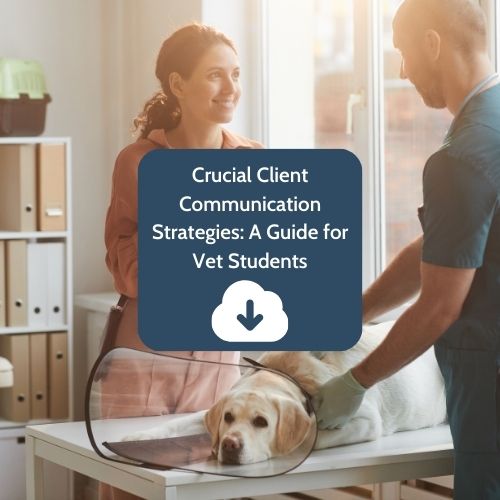
Crucial Client Communication Strategies: A Guide for Vet Students

Effective client communication is crucial in veterinary practice. Veterinarians must not only possess medical knowledge but also be adept at conveying the importance of tests, procedures, and treatments to pet owners. Understanding and consent from clients are essential before any medical action can be taken. Thus, communication skills are as significant as medical expertise in…

Stress to Success: Dr. Amanda’s Guide to Acing the NAVLE

Are you approaching the NAVLE and feeling the pressure? It’s the hurdle every veterinary student must cross, and for some, it can feel like a mountain. But with the right strategies and guidance, you can tackle it with confidence and come out victorious.

Watch an enlightening webinar hosted by Dr. Amanda, who not only recently graduated but also passed the NAVLE with flying colors!

Top 5 “Housekeeping” Tips for New Grad Veterinarians

In veterinary school, students focus intensively on medicine, learning deeply about animal physiology and diseases. However, once in practice, new vets often find that non-medical tasks take up a significant portion of their work. These tasks, ranging from organization to client communication, can be challenging until new routines are established. Tips for managing the “housekeeping”…