
From classes to clinics, late-night study sessions to early morning rotations, and of course, NAVLE prep—veterinary school is a whirlwind of caring for patients, studying hard, and chasing your dreams. But in the midst of it all, it’s easy to put your own wellbeing on the back burner. Whether you’re just opening up your books or deep in study mode, taking the time to learn how to take care of yourself is essential. These self-care habits will not only get you through school and exams, but they will continue to support you as you transition into the next stage of your
career.
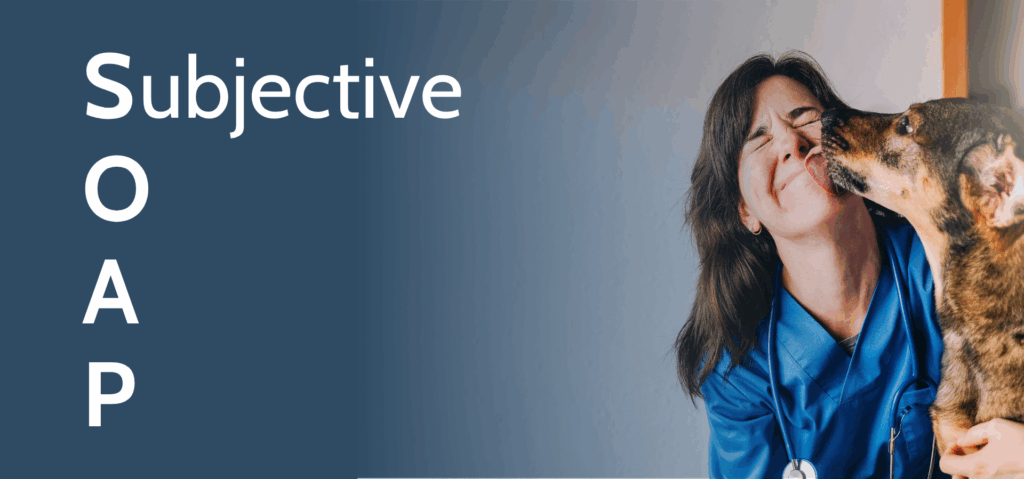
So why not start treating yourself the way you’re getting ready to treat your future patients? You deserve the same level of care and attention. Give yourself some much-needed TLC, veterinary style. That’s right, it’s time to SOAP you! Let’s break it down.
It’s OK to prioritize yourself but making the time is the first (and often most difficult) step. At this point in your career, you’ve got such a hectic schedule balancing everything from clinical rotations to NAVLE prep, that it can be challenging to squeeze in a few minutes for yourself. So be deliberate. Think of it like this—you’re a scientist collecting data to solve a complex case. That means you need lab time. Except this time, you’re the patient.
Schedule a repeat appointment for weekly check-ins
- Choose a time that actually works for you. Want to kick off your week with a game plan? Or maybe a mid-week reset feels more like your style. There’s no right answer, just do what fits your schedule and your study habits.
- Look for natural breaks in your schedule (like lunch breaks or post-rotation downtime) and plan around them.
- Most importantly, actually block time in your calendar. Treat this like any other important appointment because taking care of yourself is important
Take your history
Check in with yourself, not just physically, but emotionally as well. Grab a laptop or a notebook to start documenting, comparing, and assessing. Start by asking yourself:
- How am I feeling today compared to my last check-in
- What is my mood?
- When was my last break?
- Did I eat/exercise/drink water today?
- What have I accomplished today?

Vitals
Sometimes your own vitals are the biggest clue to how you’re really doing. Take a moment to check in with your body and assess how you feel physically. If you use a health tracker (like a watch or a ring), peek at your stats for a quick snapshot. After all, monitoring your patients starts with monitoring yourself!
Questions
- What is my heart rate?
- What is my respiration?
- Am I tired?
- What are my steps for today?
Exam
Now dig a little deeper. Do you know what you’re feeling and why you’re feeling it? Just like a physical exam, it takes time to really understand if everything is within normal limits or if something might need a closer look. Giving yourself space to check in emotionally is part of the process and part of taking care of all of you!
- Drink water
- Go through quick mindfulness exercises (breathing, yoga stretches, a few minutes of stillness, etc.). How do you feel?
- Take a look at your remaining task list for the day/week? How are you feeling about where you are?
- Make a point to focus on what you’re feeling and schedule time later to reevaluate

Diagnosis and Impressions
Time to make some conclusions. The tricky thing about wellbeing? It’s an ongoing process and one exam won’t give you a conclusive result. Instead, focus on what you notice, what’s going well, and what needs attention.
- What is going well?
- Which areas need work?
- What limitations do you currently have?
- What am I missing from this situation?
- What do I want to take away?
Now try to make an interpretation of your current condition. Take what you’ve observed and try connecting the dots. Think like a clinician. For example:
- Feelings of anxiety and lack of sleep? The anxiety might be linked to…not enough sleep
- Frequent headaches? Could be due to dehydration.
- Fatigue? Could be a bit too much caffeine and not enough rest

Treatment plan
Now it’s time to turn your assessment into an actionable treatment plan. Whether it’s little adjustments towards a healthier lifestyle or a bigger change like reaching out for support—write up how you plan to address your symptoms. For example:
- Add more vitamins and nutrient-rich foods to support your energy and focus
- Hydrate, hydrate, hydrate. Aim for more water throughout the day (yes, even during rotations)
- Prioritize eight hours of sleep—your brain and body need it, especially right now
- Get professional advice if and when you need it from a physician or a mental health specialist
- Schedule some time with friends (or alone if that’s more your speed) to recharge emotionally and socially
- Set goals like walking 10K steps a few times a week to boost movement
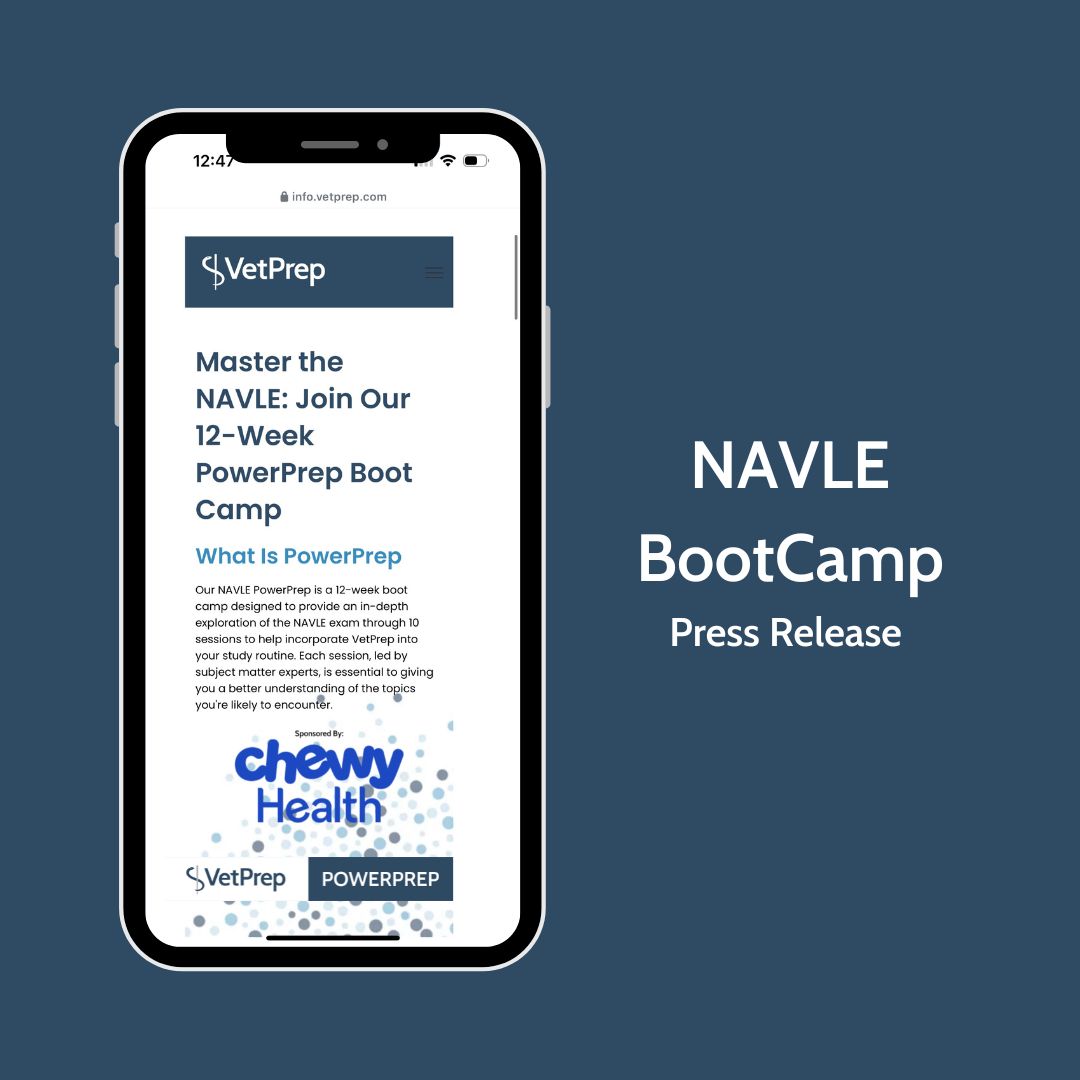
- Use free tools like PowerPrep to help you stay organized and confident during your NAVLE prep
Go home instructions
Now take your treatment plan and write it up like discharge instructions. Make sure steps use actionable language and can be implemented into your schedule.
- Habit stack
- Can you listen to a lecture while getting your steps in on a walking pad?
- Can you go outside for 15 minutes in the morning while you plan your day?
- Set reminders for tasks you forget about
- Set a reminder to drink water throughout the day
- Set a reminder to “stand up and stretch” a couple of times a day
- Use your calendar to block time for things that you tend to forget about—seeing friends, going to the gym, etc.
- Make a weekly meal plan so you can ensure your dietary needs are being met without having to think about it too much
- Use existing gaps in your calendar and block time to check things off
- If you prefer a visual representation of your habits, use a tracker to ensure you’re meeting your goals
- Separate daily, weekly, and monthly instructions
We know this time can be overwhelming—between rotations, studying, and everything else on your plate. That’s why setting aside a little time each week to check in wither yourself, using a SOAP (a format you already know and trust, can help make self-care a regular habit—not just an afterthought).
Don’t forget to take advantage of the tools already at your fingertips—whether it’s resources to help support your mental wellbeing or free study aids like PowerPrep to help guide you through NAVLE preparation.
You’re almost there and we fully believe in you. Keep SOAPing yourself and go crush those exams!
Please note that these suggestions for self-care, wellness check-ins, and SOAP-style reflections shared in this article are intended for general informational and educational purposes only. They are not a substitute for professional medical or mental health advice, diagnosis, or treatment.
If you are experiencing persistent emotional distress, mental health concerns, or medical condition, we strongly encourage you to seek support from a licensed healthcare or mental health professional. Your wellbeing matters, and there is no shame in reaching out for help.
If you are in crisis or need immediate support, please contact a local mental health service, crisis hotline, or emergency services.