Diagnostic Approach to the Red Eye in Veterinary Patients
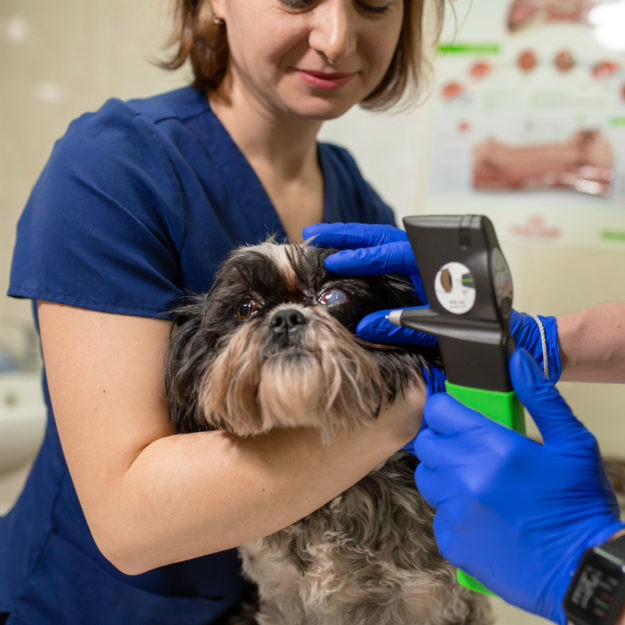
Dr. Cathy Barnette outlines the diagnostic steps to approaching a patient presenting for a “red eye” including corneal staining, tonometry, and tear testing.

Dr. Cathy Barnette outlines the diagnostic steps to approaching a patient presenting for a “red eye” including corneal staining, tonometry, and tear testing.
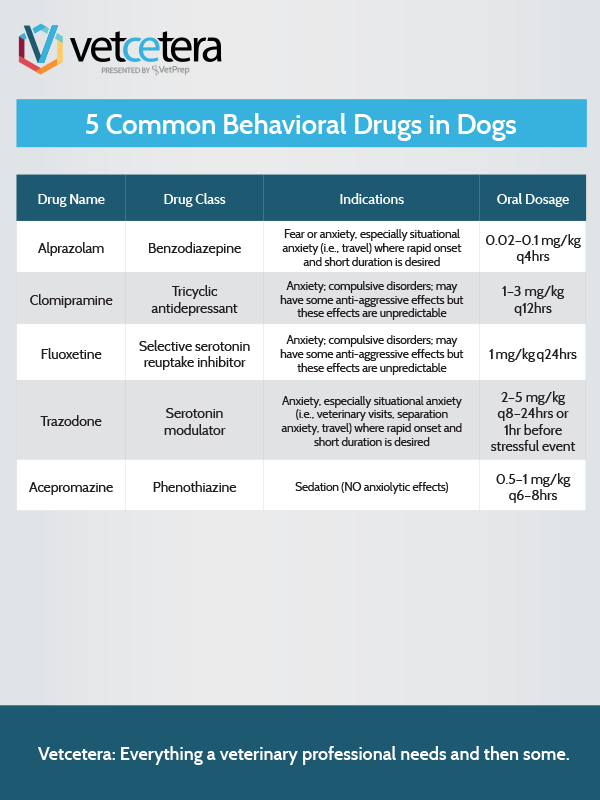
This Infographic outlines the indications and dosages for alprazolam, clomipramine, fluoxetine, trazodone, and acepromazine in dogs.
This guide covers the basics of dental anatomy, dental formulas, and periodontal disease in dogs and cats.

Open, honest, and thorough communication between a veterinarian and a pet owner is crucial. Through good client communication, the owner will gain trust in your care and ability to treat their pet and will be more compliant.
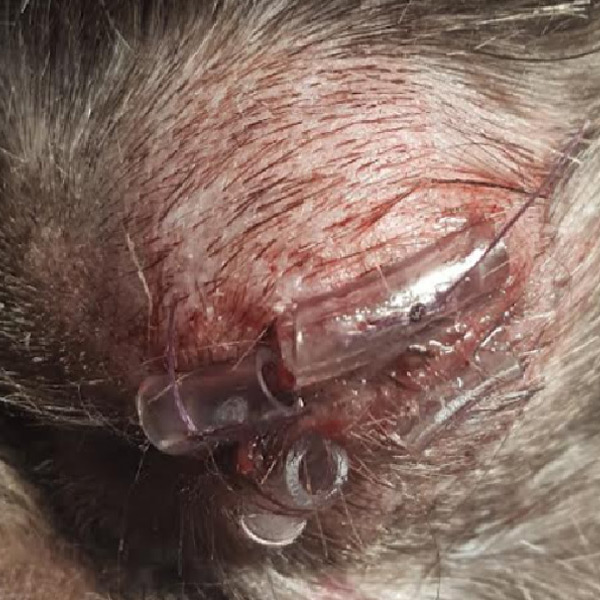
A proptosis refers to a sudden protrusion of the globe from the orbit. While they can appear quite scary, with some preparation they can easily be addressed. The number one question that you as a practitioner need to determine, is should the globe be replaced or should an enucleation occur.
A proptosis refers to a sudden protrusion of the globe from the orbit. While they can appear quite scary, with some preparation they can easily be addressed. The number one question that you as a practitioner need to determine, is should the globe be replaced or should an enucleation occur.

There are a number of ways in which compensation can be determined. It is important to know and understand the different types of compensation packages that can be presented when you are negotiating job offers.

When you think of systemic diseases that you’ll encounter as a vet, you probably envision diagnosing those conditions on the basis of a thorough physical exam, screening blood tests, and other body-wide diagnostics. In some cases, however, a thorough ophthalmologic exam will be all that is needed to provide you with a strong suspicion of a systemic disease.

We have heard a lot about compassion fatigue in the last couple of years when it comes to the veterinary community. It is a very important topic to address if you work in the veterinary field.

In your veterinary career, you will probably see many pets in need of dental care. Some clients will follow your recommendations, while others may forego complete dental care in favor of anesthesia-free dentistry. Your job is to educate clients on the differences between these two options, in the hopes that they will make the best decisions for their pets.