Cystotomy in Dogs and Cats
Open to access this content


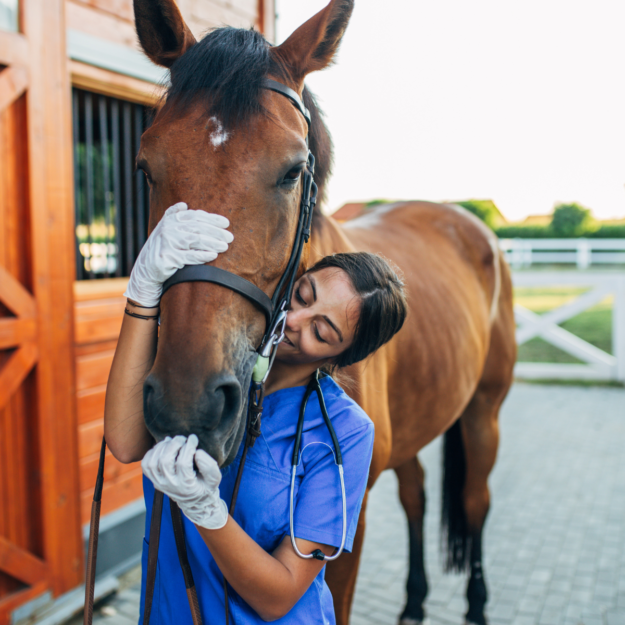
Lauren S. Grider, DVM, CCFP Sydney* is a 41-year-old credentialed veterinary technician with more than twenty years of experience in the field. She typically works 40-50 hours a week at a busy small animal specialty practice, and she loves her job despite the high level of stress. Recently, her 10-year-old son was diagnosed with a…
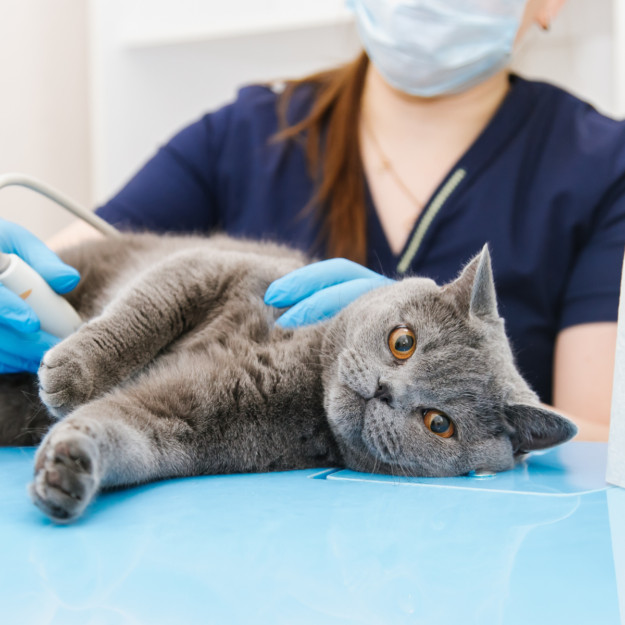
What is Vet BLUE®? FAST is an acronym that stands for Focused Assessment with Sonography for Trauma. It is an ultrasound exam developed by trauma surgeons (yes trauma surgeons) in the 1990s and used in people as a screening test for the detection of free fluid in the abdominal cavity, ascites, and the pleural cavity…
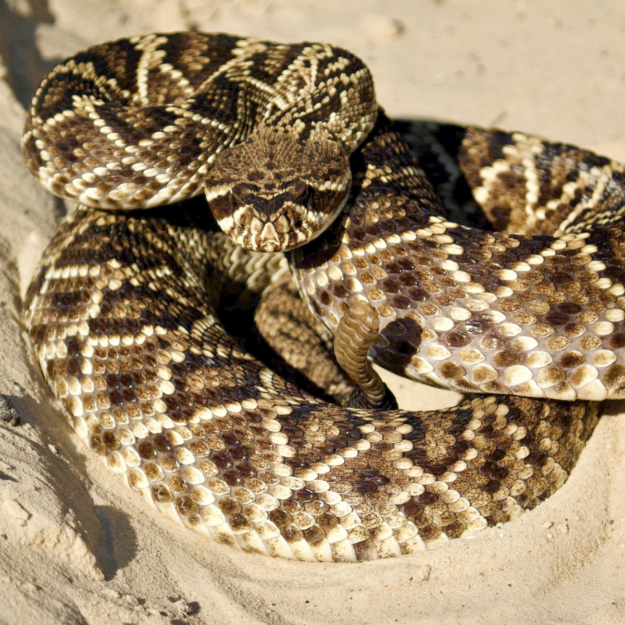
Pit viper envenomation is a common emergency throughout a large portion of the United States. Pit vipers are snakes in the family Crotalinae and include rattlesnakes, copperheads, and cottonmouths. Envenomations may range from mild to severe. Dry bites—where no venom is injected—can occur, but are rare and happen in fewer than 15% of cases. This…

Lauren S. Grider, DVM, CCFP In the last article we met Sydney*, a longtime veterinary technician who was experiencing feelings of guilt surrounding her need for a job change. After examining the ways in which her work in the veterinary field both contributes to her core identity and impacts her other roles and responsibilities, she…

Lauren S. Grider, DVM, CCFP In the last article, we followed longtime veterinary technician Sydney* as she investigated job opportunities and identified potential areas of career interest. After using the O*NET Interest Profiler to learn about her RIASEC code, Sydney was able to feel more confident about evaluating potential jobs and finding a good fit…